Hypertension Diet Guide for Kenyans — Foods, Habits & Natural Support

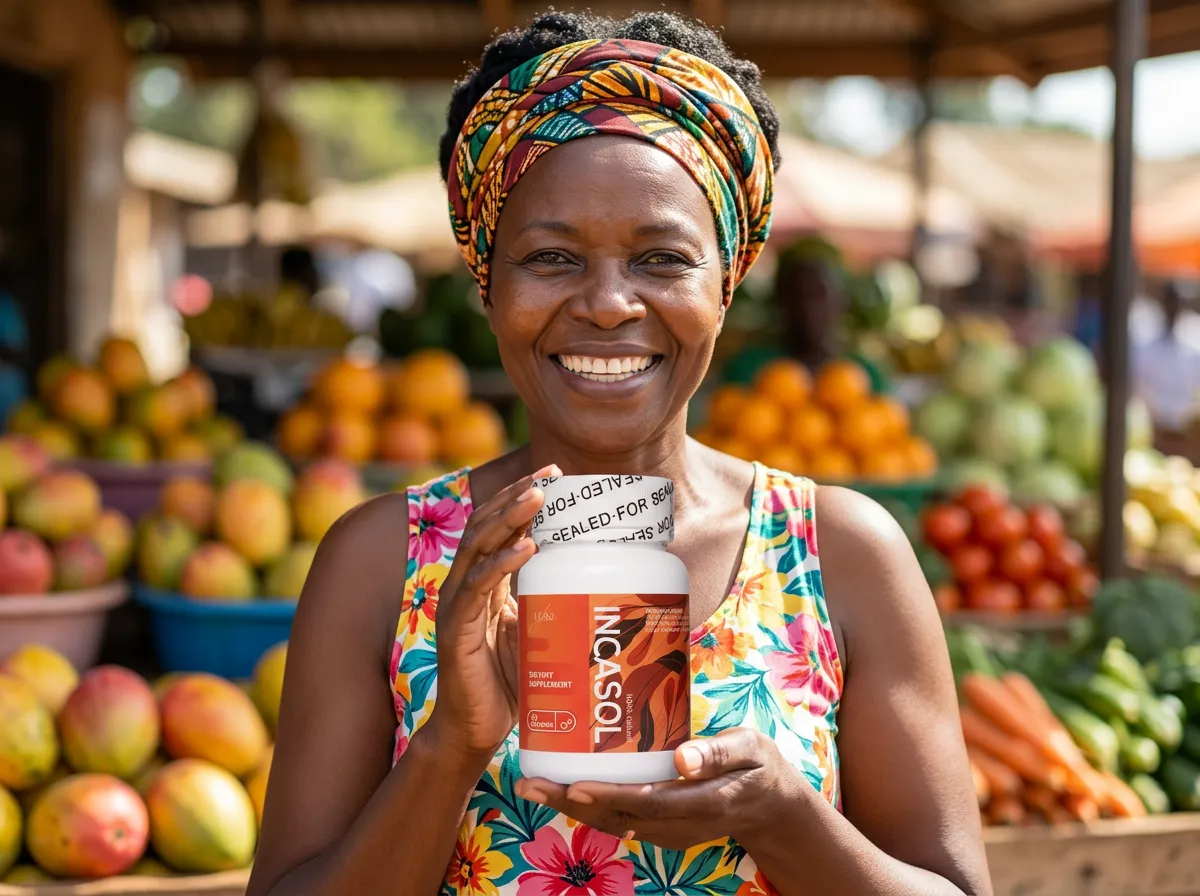
What you put on your plate every day is one of the most powerful tools you have for looking after your blood pressure. This practical guide is built around real Kenyan foods — from sukuma wiki and githeri to sweet potatoes and avocado — and shows you what to eat more of, what to limit, and how a plant-based formula like Incasol can fit into a balanced, heart-conscious routine.

Natural BP control

How Diet Affects Blood Pressure

Of all the daily habits that shape cardiovascular health, food is the one you make decisions about several times a day. Every meal is an opportunity to either support healthy blood pressure or quietly work against it. For Kenyans living with hypertension — or hoping to prevent it — understanding that link is the first and most practical step toward feeling better.

The connection comes down largely to a few key nutrients. Sodium, the main component of common table salt, encourages the body to hold on to extra water. That added fluid increases the volume of blood the heart has to move, which in turn raises pressure inside the arteries. Potassium works in the opposite direction, helping the body shed excess sodium and relax blood vessel walls. Many traditional Kenyan vegetables are naturally rich in potassium, which is one reason a vegetable-forward plate tends to be kinder to blood pressure than a salty, heavily processed one.

Fibre, healthy fats and overall body weight matter too. Diets built around whole foods — beans, vegetables, fruit and minimally refined grains — support steadier energy, healthier cholesterol balance and a more comfortable weight, all of which ease the load on the cardiovascular system. By contrast, diets dominated by deep-fried foods, sugary drinks and salty processed snacks tend to push things in the wrong direction. Recognising the early symptoms of hypertension in Kenya matters, but changing what is on the plate is where many people find they have the most control.

Reputable health bodies, including the World Health Organization, consistently identify diet as one of the leading modifiable factors in raised blood pressure. Published reviews indexed on databases such as PubMed repeatedly point to reduced salt intake and higher potassium consumption as central to healthier readings. The encouraging news for Kenyan households is that the foundations of a blood-pressure-friendly diet are already familiar, affordable and grown close to home.

Foods to Eat for Healthy Blood Pressure

Eating well for your heart in Kenya does not mean abandoning the dishes you grew up with. It means leaning into the wholesome, traditional foods that have always been part of the local table, while being a little more thoughtful about salt, sugar and frying. The aim is a plate that is colourful, generous with vegetables, and built around ingredients you can buy at any local market.

Kenyan foods that support cardiovascular health

Some of the best allies for blood pressure are also among the most familiar and economical foods in the country. Leafy greens lead the way: sukuma wiki, managu (African nightshade) and terere (amaranth greens) are rich in potassium and fibre and form the backbone of countless Kenyan meals. Cooked lightly with minimal oil and salt, they turn an ordinary plate into a heart-conscious one.

Legumes and whole-grain staples are equally valuable. Githeri — the classic mix of maize and beans — delivers plant protein and slow-release fibre that helps you feel full without spiking blood sugar. Beans, lentils and green grams are similarly friendly. Among tubers, sweet potatoes and arrow roots (nduma) are filling, naturally low in salt and full of potassium, making them excellent swaps or companions for heavier accompaniments. Omena (small dried fish) offers protein and beneficial fats and, when not over-salted, fits comfortably into the plan. A bowl of plain, unsweetened porridge to start the day rounds out a genuinely Kenyan, genuinely heart-friendly menu.

Fruits and vegetables to include

Fruit brings natural sweetness, potassium and antioxidants without the added sugar of sodas and packaged snacks. Avocado is a standout — creamy, satisfying and rich in heart-friendly fats and potassium — while mangoes, bananas, pawpaw, oranges and watermelon make refreshing, affordable choices in season. Tomatoes, carrots, onions and pumpkin add colour, flavour and nutrients to stews and side dishes.

A simple guiding habit is to fill at least half your plate with vegetables and fruit, a quarter with a whole-food carbohydrate such as ugali, sweet potato or githeri, and a quarter with lean protein like fish, beans or skinless chicken. Build meals this way most of the time and you naturally crowd out the saltier, fattier extras. To see how these food choices connect with movement, sleep and stress, explore our wider guide to natural blood pressure control.
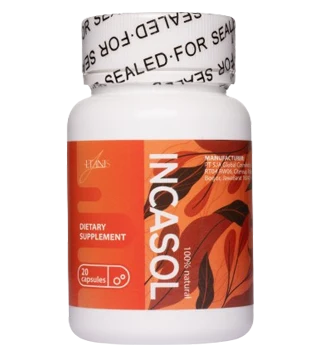
Incasol blood pressure capsules — 20 capsules pack
⚡ Special Price — 50% OFF

Support Your Diet With Incasol

Six plant-based ingredients in one daily capsule, formulated to support healthy blood pressure and cardiovascular wellness.

13,200 KES 6,600 KES

Genuine product · Delivery across Kenya · Daily dispatch

Foods to Avoid or Limit

Just as important as what you add to your diet is what you gently scale back. You do not need to ban any single food forever — that approach rarely lasts. Instead, the goal is to shift the balance, so that the items working against your blood pressure become occasional treats rather than daily habits.

High-sodium foods common in the Kenyan diet

Salt is the single biggest dietary lever for many people with hypertension, and a great deal of it is added during cooking and at the table. Heavily salted stews, generous use of stock and seasoning cubes, and the salt shaker reaching the plate before the first bite all add up quickly. Salted snacks such as crisps and roasted, salted nuts, along with very salty preparations of omena or dried meat, can push daily sodium well above recommended levels.

The practical fixes are gentle but effective: taste food before salting it, cook with herbs, garlic, ginger, onions and lemon to build flavour, and treat seasoning cubes as an occasional shortcut rather than a default. The World Health Organization generally advises most adults to keep salt to around a teaspoon a day, and many people are surprised how quickly their palate adjusts to less of it. Within a couple of weeks, food that once tasted normal can start to taste overly salty.

Processed foods and their impact

Packaged and processed foods are a growing part of urban Kenyan life, and they tend to carry hidden salt, sugar and unhealthy fat all at once. Instant noodles, processed sausages and tinned meats, sugary sodas and energy drinks, packaged biscuits and large amounts of deep-fried street food can quietly undermine an otherwise healthy diet. Because the salt and sugar are mixed into the product, it is easy to consume far more than you would ever add yourself.

This is where reading habits matter more than strict rules. Choosing fresh or home-cooked options most days, drinking water or unsweetened drinks instead of soda, and keeping fried foods to smaller, less frequent portions all reduce the cumulative load on your heart. Understanding the natural ingredients in Incasol can also help you appreciate why a whole-food, plant-leaning approach pairs so naturally with a botanical supplement.

Practical Kenyan Meal Plan for Blood Pressure Management

Putting these ideas together is easier with a concrete example. The simple one-day plan below uses everyday, affordable Kenyan foods, keeps added salt low, and leans heavily on vegetables, whole grains and fruit. Treat it as a flexible template rather than a strict prescription — swap items for what is fresh and in season near you, and adjust portions to your own appetite and any advice from your doctor.

Meal Heart-conscious Kenyan example
Breakfast Unsweetened millet or maize porridge with a sliced banana, plus a boiled sweet potato or a slice of avocado. Tea with little or no added sugar.
Lunch A moderate serving of githeri or ugali with lightly cooked sukuma wiki or managu, a portion of beans or grilled fish, and a side of fresh tomato and onion. Water instead of soda.
Supper Arrow roots or sweet potatoes with terere greens and a small serving of lean protein such as skinless chicken or omena prepared with minimal salt. A mango or other fruit for something sweet.

Notice how the plan naturally fills the day with potassium-rich greens, fibre and fruit while keeping salt, sugar and frying to a minimum. Drinking water through the day, going easy on the salt shaker, and finishing meals with fruit rather than sugary snacks are small habits that compound over weeks and months. Consistency, not perfection, is what makes a diet like this sustainable for a busy Kenyan household.

How Incasol Complements a Hypertension Diet

A heart-conscious diet builds the foundation, and consistent daily habits hold it together. Incasol is designed to sit naturally within that routine — not as a replacement for good food, but as one steady, convenient habit alongside it. While your meals supply potassium, fibre and antioxidants from sukuma wiki, githeri, avocado and fruit, Incasol contributes a measured blend of six botanical ingredients chosen for their long-standing association with circulatory and cardiovascular wellness.

The formula combines ginger root, bergamot, dandelion root, sinicum root, burdock root and eucalyptus in a single daily capsule. Several of these plants — bergamot and ginger among them — appear in traditional practice and published research for their roles in supporting healthy circulation and the body's natural balance. Taken consistently as part of a balanced lifestyle, Incasol is intended to complement the work your diet is already doing, giving people who care about their blood pressure one more simple, plant-based habit to rely on.

As with any supplement, it works best as part of the bigger picture: a plate full of vegetables, less salt and processed food, regular movement, good sleep and professional guidance for anyone on prescribed medication. If you would like to understand exactly what goes into each capsule, our detailed breakdown of Incasol ingredients walks through every plant in the formula and the thinking behind it.

Frequently Asked Questions

What foods help lower blood pressure in the Kenyan diet?

Many everyday Kenyan foods are naturally friendly to healthy blood pressure. Leafy greens such as sukuma wiki, managu and terere are rich in potassium, while githeri, fresh fruit like mangoes and avocado, and tubers such as sweet potatoes and arrow roots provide fibre and minerals. Unsweetened porridge, beans and grilled fish like omena round out a heart-conscious plate. The key is to pair these foods with less added salt and fewer deep-fried, processed options.

Is ugali bad for high blood pressure?

Plain ugali made from maize meal is not the main concern — it is naturally low in salt and fat. Problems usually come from what surrounds it: heavily salted stews, processed meats and large portions of fried accompaniments. Enjoy a moderate serving of ugali with plenty of vegetables such as sukuma wiki or managu, lean protein and minimal added salt, and it can sit comfortably within a hypertension-friendly diet.

How much salt is safe if I have high blood pressure?

Public health bodies such as the World Health Organization generally suggest keeping total salt intake to roughly a teaspoon a day for most adults, and lower if a doctor advises it. In practice this means cooking with less salt, going easy on stock cubes and table salt, and being cautious with processed and packaged foods, which often contain hidden sodium. Tasting food before reaching for the salt shaker is a simple habit that helps.

Which Kenyan foods should I avoid with hypertension?

The foods to limit are usually high in salt, refined sugar or unhealthy fat rather than traditional whole foods. That includes heavily salted crisps and snacks, processed sausages and tinned meats, instant noodles, sugary sodas, and deep-fried items eaten in large amounts. You do not have to give them up entirely, but treating them as occasional rather than daily choices makes a meaningful difference over time.

Can diet alone control my blood pressure, or do I need more?

Diet is a powerful part of the picture, but it works best alongside regular movement, good sleep, stress management and, where prescribed, medical care. Some Kenyans also use a plant-based supplement such as Incasol as part of a wider routine. A balanced diet creates the foundation; the other habits — and professional guidance for anyone on medication — complete it.

Where does Incasol fit into a hypertension diet plan?

Incasol is designed to complement a heart-conscious diet, not replace it. Its six botanical ingredients are intended to support circulation and cardiovascular wellness while you focus on eating more vegetables, reducing salt and staying active. Think of it as one consistent daily habit that sits alongside your meals, your movement and any advice from your own doctor.

Dr. Esther Njeri, Lifestyle Medicine Consultant
✍️ Written by
Dr. Esther Njeri
Lifestyle Medicine Consultant
Dr. James Mwangi, Consultant in Herbal & Integrative Health
🔍 Reviewed by
Dr. James Mwangi
Consultant in Herbal & Integrative Health

This content follows editorial standards for accuracy and a wellness-oriented tone. It is intended for general information and does not replace professional medical advice.

Incasol blood pressure capsules — 20 capsules pack
⚡ Special Price — 50% OFF

Order Incasol at the Official Price

Six plant-based ingredients in one daily capsule, formulated to support healthy blood pressure and cardiovascular wellness.

13,200 KES 6,600 KES

Free consultation · Nationwide delivery · Original formula